
NXP SC28L198A1BE: A Comprehensive Overview of the Octal UART with 16-Byte FIFOs
In the realm of embedded systems and industrial communications, managing multiple asynchronous serial channels efficiently is a critical requirement. The NXP SC28L198A1BE stands out as a powerful and integrated solution, an octal universal asynchronous receiver/transmitter (UART) designed to handle this complex task with high performance and reliability. This device consolidates eight full-duplex UART channels into a single package, significantly reducing board space and system complexity compared to using multiple discrete UART ICs.
A defining feature of the SC28L198A1BE is its deep 16-byte FIFO (First-In, First-Out) buffer for both receiver and transmitter on each of its eight channels. These FIFOs are instrumental in enhancing system performance by reducing the frequency of interrupts required to service the UART. This allows the host processor to handle larger blocks of data with fewer interruptions, thereby improving overall system efficiency and ensuring reliable data flow, especially in high-bandwidth applications.
The device supports a wide range of programmable data rates, with a maximum baud rate of 5 Mbit/s per channel, making it suitable for high-speed communication links. Its versatility is further extended through software-selectable configurations for data format, including data bits (5 to 8), stop bits (1, 1.5, or 2), and parity (even, odd, or no parity). This flexibility allows it to interface seamlessly with a vast array of serial devices, from legacy modems to modern sensors.
Beyond standard UART functionality, the SC28L198A1BE incorporates sophisticated features that bolster its utility in demanding environments. These include automatic hardware and software flow control (using RTS/CTS and XON/XOFF protocols), which prevents data overrun and ensures reliable communication. It also offers a multi-drop mode (often called 9-bit mode or address wake-up), which is essential for creating simple network architectures where multiple devices share a common serial bus.
The interface to the host microcontroller or processor is a flexible 8-bit parallel bus, designed for easy connection to a wide variety of microcontrollers. The interrupt system is highly configurable, allowing developers to tailor interrupt generation to specific system needs, thus optimizing processor usage.
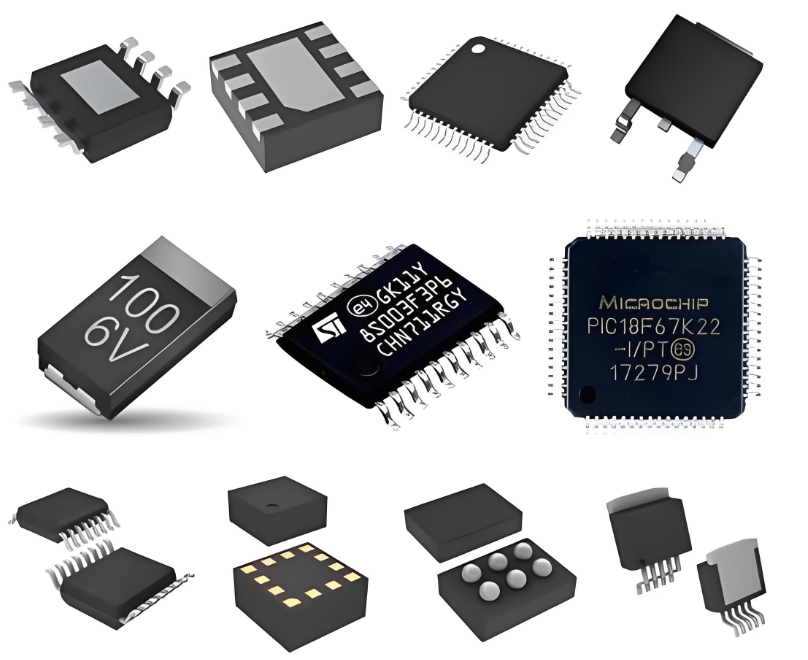
Target applications for this robust octal UART are extensive and include:
Telecommunications infrastructure such as routers, switches, and base stations.
Industrial automation and control systems (PLC, sensor networks).
Embedded computing and multi-port serial server cards.
Point-of-sale (POS) terminals and banking equipment.
Any system requiring a high number of reliable, managed serial ports.
ICGOODFIND: The NXP SC28L198A1BE is an exceptional integration achievement, offering eight high-performance UART channels with deep FIFOs and advanced control features in a single chip. It is an optimal solution for designers seeking to maximize serial port density and reliability while minimizing processor overhead and board space, making it a cornerstone component for complex industrial and communication systems.
Keywords: Octal UART, 16-Byte FIFO, High-Speed Serial Communication, Hardware Flow Control, Multi-Drop Mode.

